

A UNESCO World Heritage Site, the Sundarbans are the world’s largest mangrove forest. To understand why this region is so unique, you can read our complete guide to India’s largest forest. The remote region of Sundarban is home to elusive Royal Bengal Tigers, saltwater crocodiles and various bird species.
Our carefully curated travel itineraries are designed to offer travellers an immersive experience. These tours and experiences cover a combination of adventure, nature, and local culture. Whether you’re cruising silently through the water channels, observing wildlife from the watchtowers, or enjoying local traditional cuisines, each activity reveals a different facet of this unique ecosystem. So let’s find out what the most exciting Sundarban activities are for visitors.
Top Activities to Include in Your Sundarban Trip
A journey to the Sundarbans is more than just a gateway; it is an adventure into an ecologically rich landscape. Here’s a look at the most popular activities included in our carefully planned itineraries.

1. Boat Safari
Boat Safari is the most exciting way to experience this place. It takes you through the vast network of rivers, creeks and mangrove forests. As you cruise through the delta, keep an eye out for the Royal Bengal Tiger, crocodiles, otters, and deer. The calm waters are also home to a wide variety of birdlife.
Most tours offer multiple boat rides for more wildlife sightings. To enjoy this experience to the fullest, many travelers prefer our comprehensive multi-day river safari. These safari boats are comfortable and safe, so you can have a good time.

2. Kayaking
For people seeking a more intimate and hands-on adventure, Kayaking offers a lifetime experience. Paddling slowly through the silent, narrow backwaters provides a unique perspective of the mangrove wilderness. Unlike motorboat safaris, kayaking allows you to explore the routes less travelled. Exploring the flora and fauna at your own pace gets you closer to nature.
Kayaking must be done under the supervision of a guide for safety and navigation. These guides will also acquaint you with the local biota. Also, carry water, a camera and a waterproof bag for your other belongings. Always maintain a safe distance and do not disturb the animals. As mentioned in our guide on peak months for wildlife exploration, the winter months from November to February are ideal for kayaking as the weather is pleasant.

3. Beauty of Nature
The Sundarbans is a wildlife heaven where nature thrives in its rawest form. Stretched over 10,000 square kilometres of diverse landscape, the region is a labyrinth of waterways, mudflats, and dense mangrove forests. Its intricate network forms one of the planet’s most unique and biodiverse ecosystems. Exploring the mangrove mystique of this region allows you to witness the true essence of nature’s artistry.
The morning scenes of birds taking flight, deer tiptoeing along the banks, and golden sun rays reflecting off the water surface are surreal. This is the time when the air is filled with the sounds of birds chirping and the rustling of leaves. The evening times are also enchanting when the sky transforms into a canvas of warm hues. The serene rays of the setting sun glow over the mangroves and river, creating a magical atmosphere.

4. Wildlife
The Sundarbans is not just the largest mangrove forest with stunning natural views, but also a habitat for wild animals. The main attraction is the Royal Bengal Tiger, renowned for its distinctive stripes and swimming skills. These big cats are elusive and have adapted to a semi-aquatic life. If you are curious about seeing them, you should check out the tiger sighting chances during different seasons. Other than tigers, you can spot:
- Wild boar
- Chital
- Gangetic dolphin
- Irrawady dolphin
- Leopard cats
- Fishing cats
- Rhesus macaque
- Common otter
- Black finless porpoise
- Small Indian civet
Reptiles like saltwater crocodiles, dangerous snakes (such as the king cobra, common cobra, Russell’s viper, rat snake) and common krait are also sighted. Sundarbans is also home to a vivid variety of bird species. It welcomes a large number of migrants from higher altitudes, especially in the winter. Species such as water turtles and sea turtles are also found here. This place is also home to various kinds of frogs, fish, crabs, shellfish, and trilobites.

5. Hotel Stay Opposite the Forest
There are various options available to stay opposite the forest. Such stays can offer an up-close experience with wildlife. If you want to enjoy a blend of comfort with raw and untamed nature, opt for our premium stay experiences that include high-end accommodation opposite the forest.
You can also enjoy some freshly cooked local delicacies. The peaceful surroundings, slow pace, and proximity to raw nature can make your stay a meditative and unforgettable experience. It serves as a perfect retreat for nature enthusiasts.
To see our handpicked hotels and comfort-driven stay options, you can check out our main Sundarban Tour Packages for an all-inclusive trip.

6. Tribal Dance
Tribal dance is an interesting way to learn more about the region, local communities, and their connection to nature. Some hotels, resorts, and community tourism projects often organise cultural evenings with cultural folk dance. Understanding the positive impact of travel on local communities adds a deeper meaning to these cultural experiences.
It’s a nice way to unwind your day by immersing yourself in the folk music and tribal dance along with a night fire camp. It not only entertains but also helps in preserving the age-old traditions of the mangrove people.

7. Bono Devi Jatra Pala
Bono Devi Jatra Pala is a traditional folk theatre and musical drama performed in certain regions of the Sundarbans. This musical drama celebrates the revered guardian spirit of the forest, Bonbibi. Such unique cultural traditions are part of the reason this region remains a top pick for those looking for a blend of mythology and nature.
This drama is not just for entertainment; it’s a ritual and cultural symbol of the delicate balance between humans and nature. Watching this performance under the starlit sky of the mangroves is an experience you won’t find anywhere else.

8. Bird Watching
Bird watching at the Sundarbans allows you to sight and observe both resident and migratory birds. With over 300 bird species recorded, it’s a birdwatcher’s paradise, especially from November to February. To make the most of this experience, selecting an experienced travel partner is essential, as they provide expert guides who are skilled at spotting rare species
There are dedicated bird-watching spots that offer views of birds at their best. Sajnekhali Bird Sanctuary, Netadhopani, Dobanki Watchtower, and Sudhanyakhali Watchtower are important bird-watching spots.
You can spot birds like:
- White bellied sea eagle, Spoonbills, Sandpipers, and Stilts.
- Whimbrels, Curlews, Thick-knees, and Ospreys.
- Green shanks, Pond herons, Grey herons, and Brahminy kites.
- Shikra, Crested serpent eagle, Short-toed eagle, and Seagulls.
- Sunbirds, Purple herons, Night herons, and Indian shags.
- Yellow-footed green pigeon, Cuckoos, Egrets, and various ducks.
Some rare species, like the Goliath heron and the Buffy Fish Owl, have been spotted occasionally.

9. Cultural Experience
A cultural experience at Sundarbans goes beyond wildlife encounters and scenic boat rides. It offers a glimpse into the rich tradition and how people live closely connected to nature. To fully soak in these traditions along with the wildlife, you should know the ideal duration for a complete experience properly.
Whether it’s folklore and beliefs, festivals and celebrations, traditional crafts, cuisines, or cultural programs, everything has something spellbinding about it. These experiences allow visitors to appreciate the resilience and creativity of the local communities.
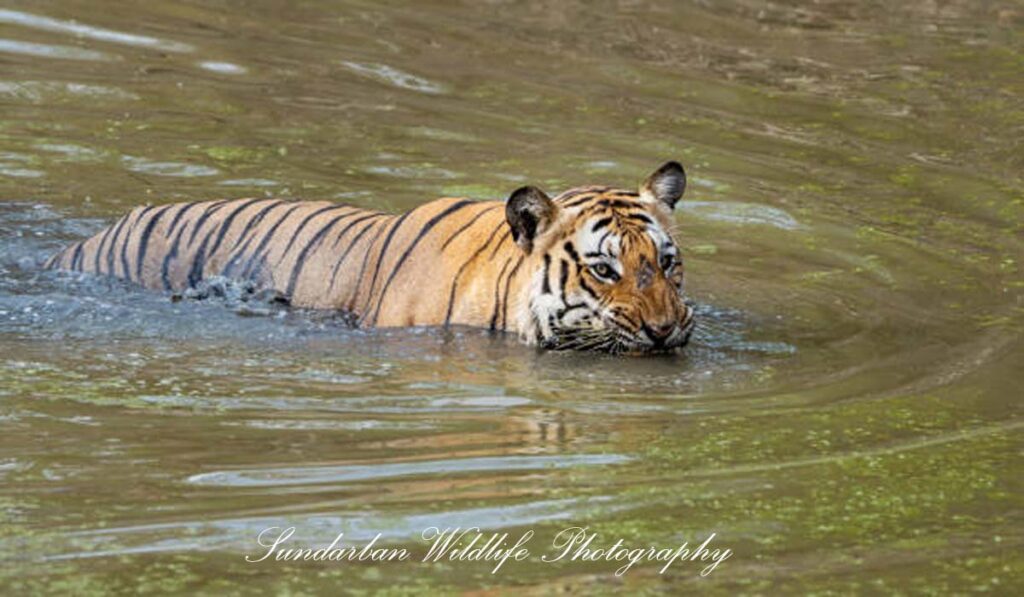
10. Wildlife Photography
Wildlife photography offers a thrilling and challenging pursuit at the Sundarbans. From elusive tigers and basking crocodiles to vibrant kingfishers and the uncanny roots of mangroves, this mysterious landscape is a dream for nature photographers who enjoy capturing the raw environment. Sunrise and sunset are the best times to snap the natural beauty.
A local guide can improve the chances of spotting these moments significantly. If you are a photography enthusiast, opting for a dedicated photography-focused plan will ensure you get the best spots and timing for your shots. Always carry extra batteries and memory cards, as you wouldn’t want to miss a single frame of this majestic wilderness.
Conclusion
Honestly, the Sundarbans isn’t just a place to visit; it’s an experience that stays with you. From the quiet riverboat rides to the thrill of spotting a deer on the banks, every bit of it is special. Whether you are coming here for photography or just to get away from the city noise, you’re going to love it.
Ready to pack your bags? Instead of scrolling through endless options, just head over to our Sundarban Tour Packages on the home page. We’ve kept everything simple and transparent so you can focus on the adventure while we handle the rest.