
India offers some experiences that are seldom found anywhere else in the world. And the wildlife is top-notch, and memorable. The many national parks right here account for an abundance of wildlife, from snow-capped mountains to evergreen forests. Nature fans and wildlife enthusiasts alike all want to experience what these national parks have to offer.
Planning to go to one of India’s famous national parks? We’ve got your back. In this article, you will learn about the biggest national parks in India and see why wildlife conservation is not just essential but really enjoyable.
Top 10 Largest National Parks in India
Let’s see some of the famous national parks of India and know the reasons that make them special. From Hemis National Park in Ladakh to Sundarban National Park in West Bengal, each of them has something amazing to offers.
1. Hemis National Park, Ladakh
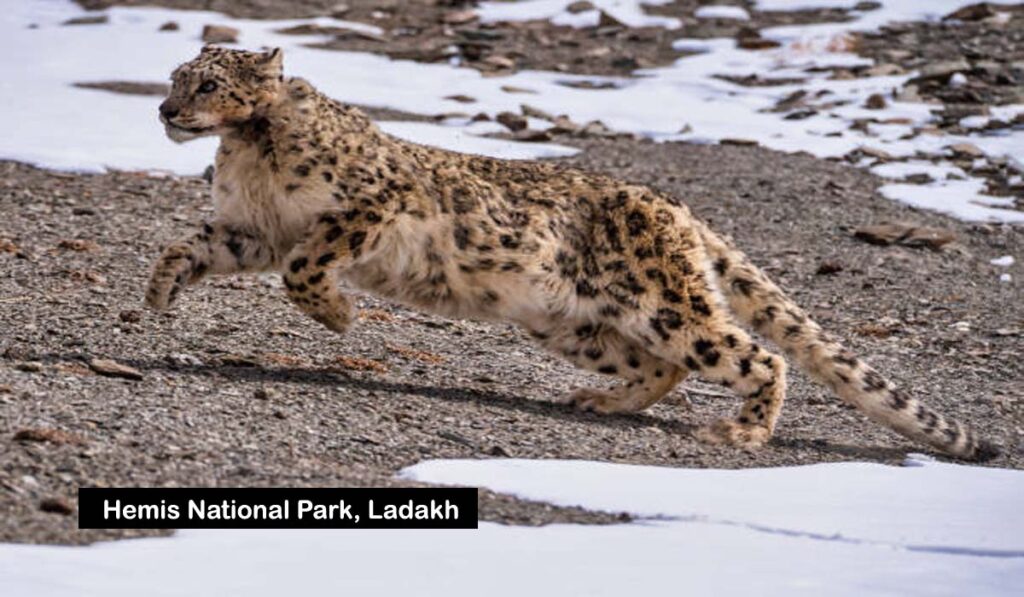
This is the largest national park in India, situated in the cold desert of Ladakh. It covers an area of 4,400 sq km with an altitude ranging from 3,000 to 6,000 meters. It is pleasing to the eye as it is surrounded by backdrops of beautiful mountains and calm rivers. Best time to visit this national park is from May to September for trekking. The best time to see snow leopards is in winter.
Hemis National Park is renowned for:
● The largest environment for snow leopards.
● Providing a safe place for snow leopards, Tibetan wolves and ibex species
● Well-known for their red foxes and blue sheep
● Provides great trekking opportunities for all adventure lovers
● Rare medicinal plant species
2. Desert National Park, Rajasthan
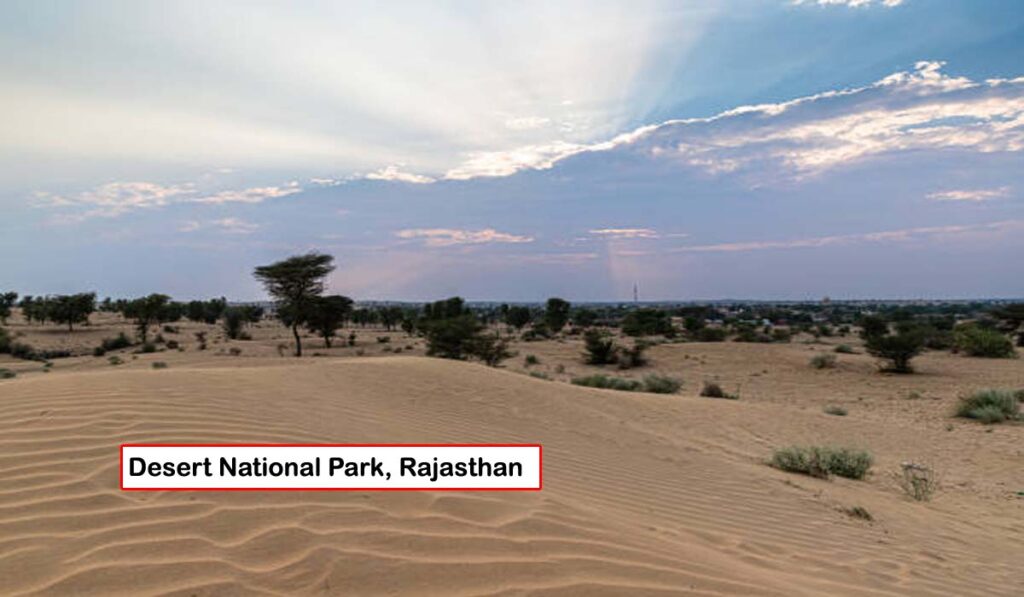
This national park is located in the Thar Desert, near Jaisalmer. It is famous as one of the most different national parks of India. Its area is 3,162 square km. The whole ecosystem of this park is a mix of dunes, rocky lands and sparse grasslands. The best time to visit is October to March.
What to Know: Desert National Park
● Sheltering desert foxes and monitor lizards
● Great Indian Bustard, critically endangered
● Plentiful in fossils from 180 million years ago
3. Gangotri National Park, Uttrakhand
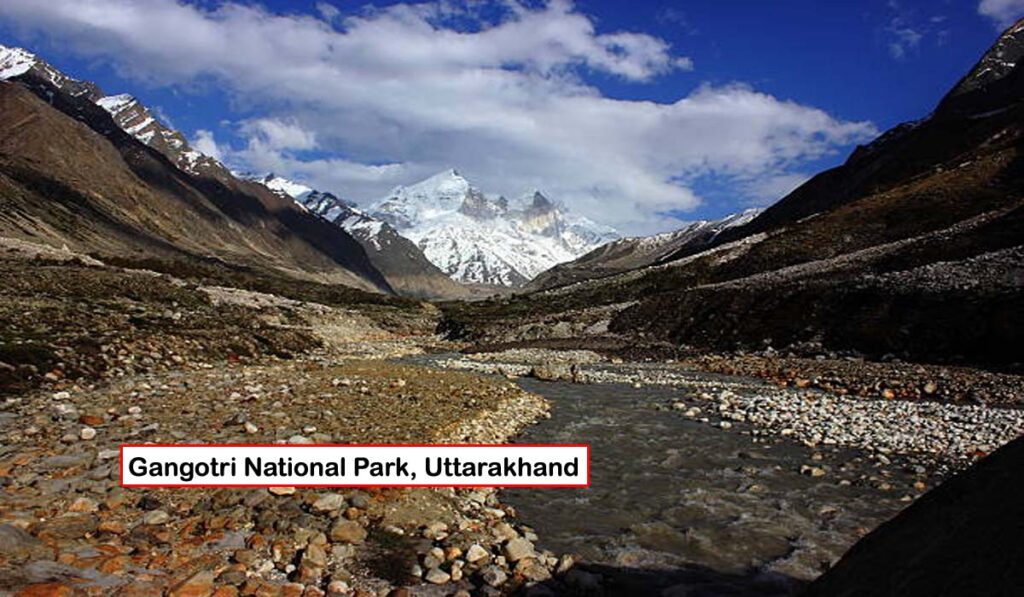
This is a tranquil Himalayan reserve that spans an area of 2,390 sq km. It is the source of the River Ganga, located in the upper catchment of the Bhagirathi River. Best time to visit Gangotri national park is between April and October.
Gangotri National Park is famous for:
● Animals found here are black bears, snow leopards, musk deer and bharal.
● The park is home to the famous Gaumukh Glacier, the source of the Ganges.
● Pilgrimage sites like the Gangotri temple are nearby.
● It has a variety of alpine flora, which attracts tourists and trekkers.
4. Namdapha National Park, Arunachal Pradesh
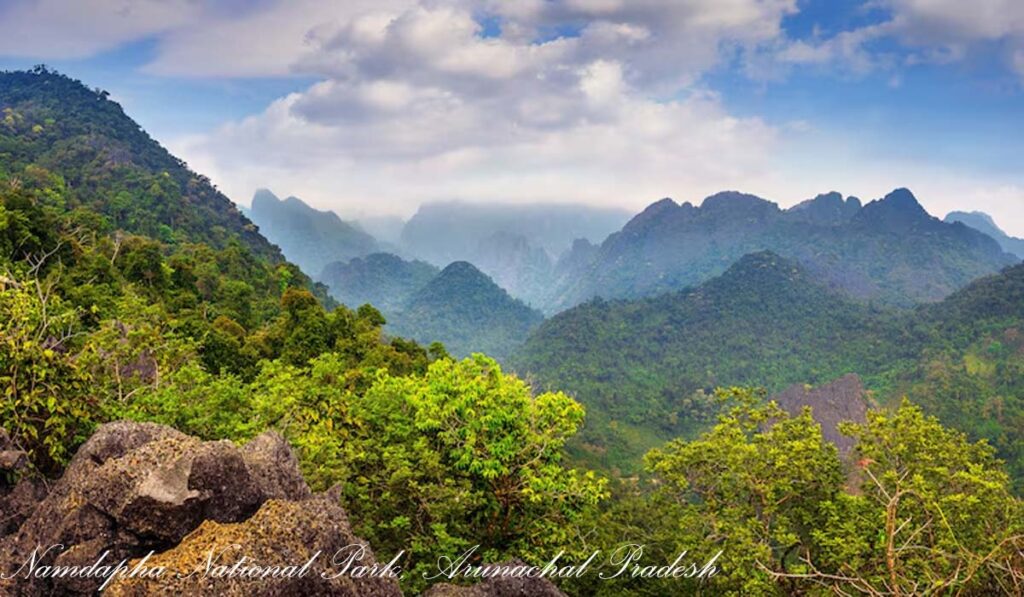
It is situated in the Eastern Himalayas and has an area of 1,985 sq km. It is also one of the most diverse and best national parks of India. November to March is the best time to visit the national park of Arunachal Pradesh.
The Namdapha National Park is famous for:
● Home to rare species like the red panda, clouded leopard and Hoolock Gibbons
● One of the few parks where four big cat species live together: snow leopard, leopard, clouded leopard and Bengal tiger
● Home to more than 425 species of birds including hornbills and Himalayan woodpeckers
● With dense tropical rainforests, rivers and alpine meadows.
5. Sikkim, Khangchendzonga National Park
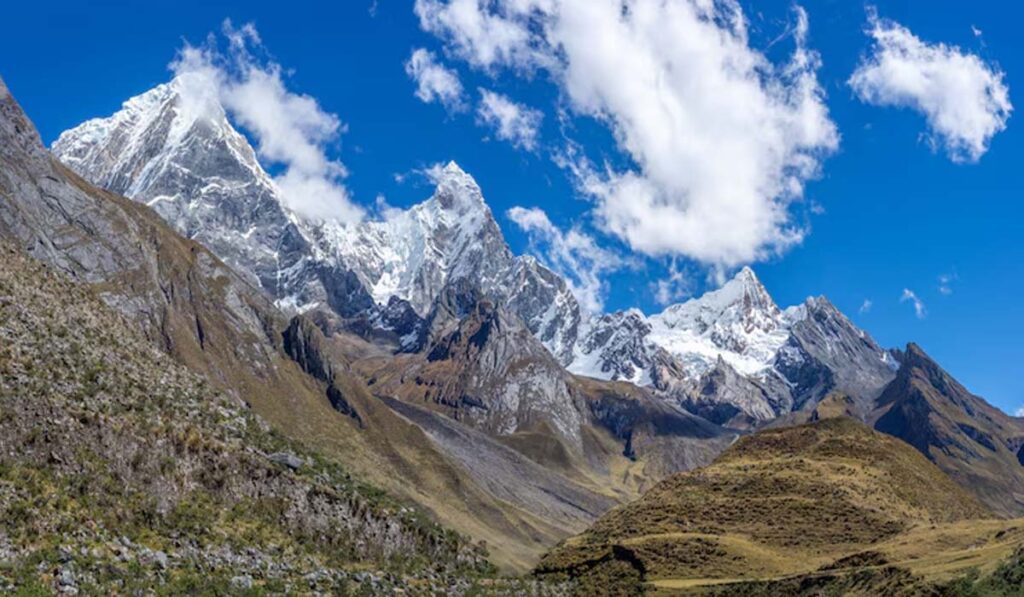
This national park is named after the third highest mountain in the world, and is a UNESCO World Heritage site. It is a different landscape, with plains and icebergs and valleys and lakes and mountains. The ideal time to visit this national park is from March to May and from September to the middle of December.
Khangchendzonga National Park is renowned for:
● Red pandas, Himalayan tahr, snow leopards and black bears
● Breathtaking views of Mt. Kanchenjunga
● Popular for trekking trails like Dzongri and Goechala.
6. Guru Ghasidas National Park, Chhattisgarh
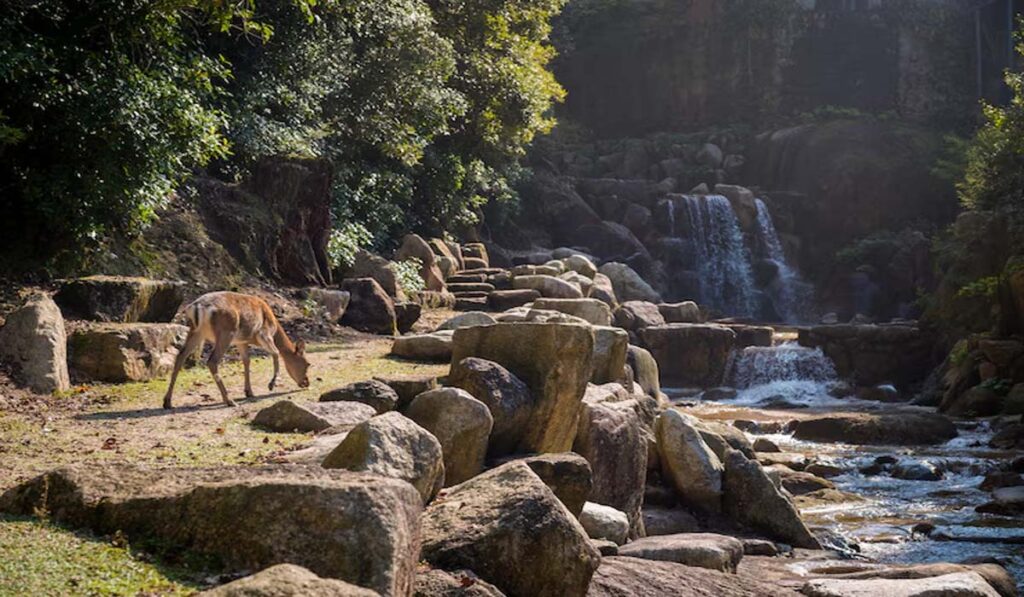
One of the new entrants in the list of national parks in India is this national park. It is situated in the northern part of the Sanjay National Park and covers an area of 1,441 sq km. The best time to visit this national park is from November to June.
The Guru Ghasidas National Park is famous for:
● Varied wildlife including leopards, tigers, sambar deer and sloth bears
● In a transitional zone between the Eastern Ghats and the Satpura range
● Scenic forests, natural waterfalls and tribal traditions.
7. West Bengal, Sundarbans National Park

This national park is a UNESCO World Heritage Site and is among the best wildlife destinations in India. It is very famous for its mangroves and people come from all over the world to visit it. The delta covers an area of 1330 sq.km. The best time to visit these sundarban tour packages is November to February.
Sundarbans National Park is popular for:
● The only mangrove a home of Royal Bengal Tiger
● Rare animals including saltwater crocodiles, river dolphins and spotted deer
● Boat safaris are perfect on a network of rivers and tidal waterways.
8. Indravati National Park, Chhattisgarh
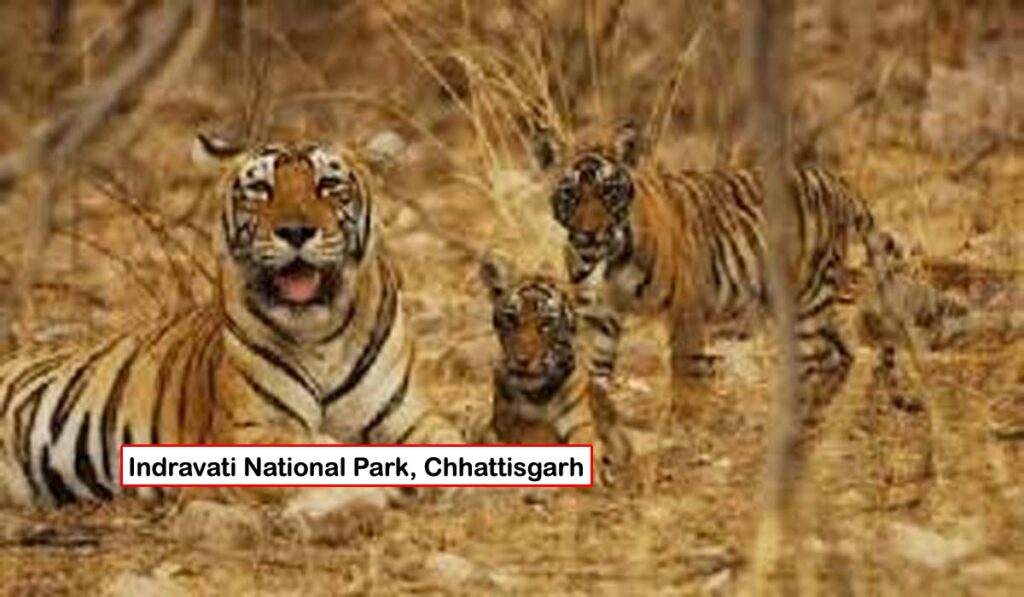
Named after the Indravati River, this national park is famous for its dense forests and varied wildlife. It covers an area of 1,258 sq km. Just as Indravati is a gem of Central India, you can explore the diverse National Parks of West Bengal to see how the landscape changes in the eastern part of the country. The best time to visit Indravati National Park is between December and June.
Indravati National Park is special for:
- The last known habitat of wild water buffalo in Central India
- Tigers, leopards, gaurs, nilgais, and sloth bears
- Dense Sal and Bamboo forests create a lush green cover.
9. Assam Kaziranga National Park
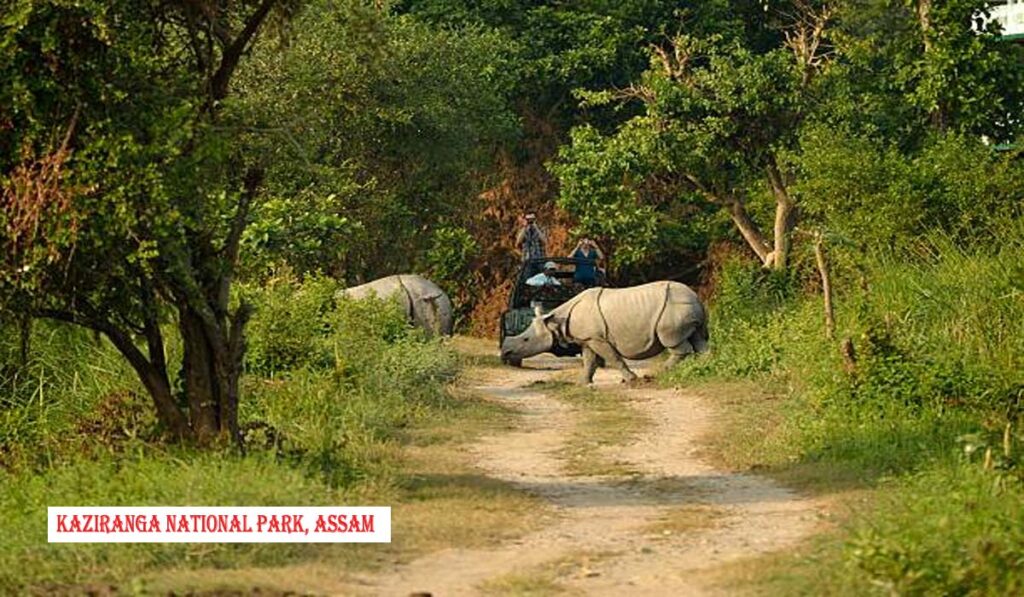
It is still one of the least touched by human activity and is a UNESCO World Heritage Site. One of the top national parks in India, it is home to a lot of fauna and bird species. The best time to visit this national park is from November to April .
Kaziranga National Park is well known for:
● Hosts two-thirds of the world’s one-horned rhinoceros population
● Other wildlife includes elephants, wild water buffaloes, swamp deer and tigers
● A paradise for bird watchers as many migratory birds pass through.
10. Jim Corbett National Park, Uttarkhand
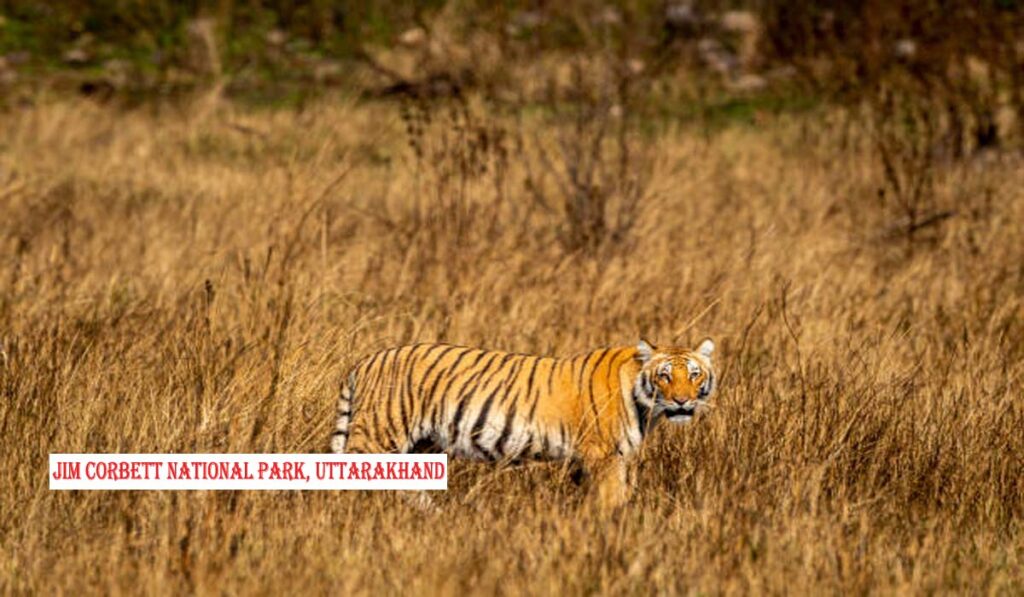
Jim Corbett National Park is the oldest national park of India. It is a 1318 sq km area and is famous for its rich diversity of wildlife species. It is particularly noted for being a safe haven to the Royal Bengal Tiger. The best time to visit this amazing national park is from November to June.
Recognized for: Jim Corbett National Park
● Rich in tigers as well as elephants, leopards and gharials.
● Great views of the grasslands, rivers, hills and thick forests.
● Famous for jeep safaris and bird watching.
Conclusion
India’s list of nationwide parks is a real treasure for all the nature and wildlife lovers. If you are in for a mesmerising experience along with diverse wildlife, visiting the largest National Parks in India is the right way to go. These national parks are custodians of some of the world’s rarest and most endangered species. They are important conservation centres as well as tourist attractions. Amazing wildlife, lush landscapes and unforgettable experiences await you!