
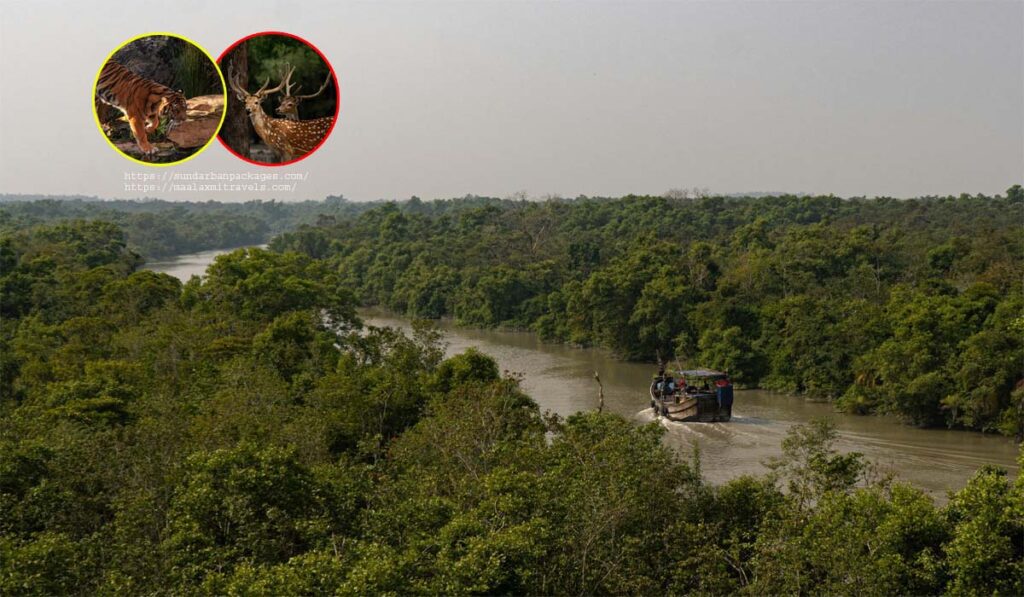
There are places that you go, and then there are places that stay with you forever. The second category is this unique mangrove area. This is not a typical holiday destination of cafes and museums. Here rivers dictate your route, mangroves spring up from muddy waters and silence is almost a breath.
If you’re travelling you need more than a short list of “things to see”. This is a vast and untamed nature, and knowing a few basics can really improve your entire experience. That’s why we’ve created a friendly guide. If you want to discover the best way to do this, our carefully selected vacation ideas are designed to take care of all these essentials seamlessly.
What Makes This Mangrove Ecosystem Special?
What is all the excitement about this exotic location? First of all, it is the largest mangrove forest on the planet, extending across India and Bangladesh, and it is a UNESCO World Heritage Site. That tag is there for a reason. Mangroves are both rare and vital. Their gnarled roots defend coastlines from storms, serve as nurseries for fish and shelter for creatures seldom seen elsewhere.
Most people know the name of Royal Bengal Tiger. This is one of the few locations where tigers have been seen swimming across rivers, gliding serenely through the mangroves. You may not see them, but the mere fact that you are in their area is enough to make your heart race.
But the magic is not only tigers. Crocodiles slide into the water hardly making a ripple. Deer are grazing at the river’s edge. Birds swoop and call, from bright kingfishers to eagles. And you boat through here, instead of walking through a forest. The rivers and creeks become your roads and every turn feels like turning a new page in a storybook.
Best Things To Do In This Paradise Of Mangroves
Just for a second, close your eyes and picture this: the morning fog lifting off the river, a boat gliding silently, and a bird’s cry breaking the silence. That’s the feeling of a day in this stunning delta.
Boat Safari on Rivers and Creeks
The boat safari is the main attraction . Hours go by as you slide down broad channels and tight creeks. Sometimes you’ll pass fishing villages, sometimes nothing but endless green and water. It is peaceful and tense at the same time, because you never know what you are going to see around the next bend. You can see this detailed guide on Calculate your jungle budget to plan your budget for such an adventure.
Wildlife Sightings
Observing wildlife, of course, is a highlight. The tiger is the prize but this lush habitat is generous with wonders on a smaller scale. Keep an eye out for monkeys talking in the trees, watch monitor lizards sun-bathing, or dolphins breaking the surface of the water. This place is a real sanctuary for nature and wildlife lovers. Birdwatchers could spend a whole day here, ticking off species that never show up in city parks.
Lovely Sunset
In addition the sunsets, of course, the sunsets. They can stop you dead in your tracks Not overstating. The sky goes gold, then red, then purple, and the river mirrors all of it. And days like that make food taste nicer. Especially if that meal is fresh local fish, cooked in the simple Bengali way.
Cultural Interactions With The Locals
And don’t forget the cultural side. Meeting locals, listening to folk stories or watching a traditional song or dance gives you a sense of life lived here, where people and forest depend on each other in ways outsiders can hardly imagine. Exploring this local culture is one of the many reasons to visit the mangroves for a soul-stirring experience.
Best Time To Go
Here is the practical side of it. This region has three different seasons – summer, monsoon and winter. Summer, April to June, is hot and muggy. Monsoon (July-September) brings heavy rains and unpredictable waters. The forest is alive and lush then, but it’s not the best time to be on the water.
The best time to make this journey is from October to March. Cooler air, clearer skies and more comfortable safaris. Winter mornings can be magical with mist rising over the creeks. This time of year it’s also easier to spot animals, because they are more active and come closer to the water.
January and February are often recommended if you’re serious about wildlife, but the whole October-to-March window works well for travellers who just want a safe and pleasant experience.
Tips for Visitors
Let’s discuss what to take and how to be completely safe on your trip. Once you know the best way to commute for your forest expedition, you can plan your luggage accordingly before you start packing.
Travel Practical and Light
The destination is not where you arrive with a heavy luggage. Light cotton clothing is best and long sleeves help against mosquitoes. A hat, sunglasses and suncream are essential as you will be spending hours in open skies.
Pack the Proper Equipment
Good binoculars will make a big difference. Not all the forest’s secrets are given up close at hand. If you like to take photographs, a camera will pay for itself in memories. Bring your own water bottle, preferably a reusable one, as plastic bottles are a big problem for the environment.
Safety First
Safety is important and easy. Stick with your group. Don’t lean too far out of boats. Do not feed or disturb animals. Keep the noise down, they are in their home after all. For an in-depth look at the rules and regulations, check out our comprehensive rules for jungle visitors.
Travel Responsibly
Please, be green. Use less plastic, take your garbage home and respect the forest. These wetlands are fragile and will only survive if visitors treat them with care.
Trust Local Knowledge
Finally, select local experts. This isn’t a place to stumble around guessing.” Local crews know the tides, safe routes, and where you’re more likely to see wildlife. Their knowledge can make an ordinary trip an unforgettable one. For a seamless experience, For a truly immersive experience, you can explore our most popular 2 nights 3 days schedule for a guided and secure journey.
Preparing for Your Mangrove Forest Trip
Now, to the part most travelers agonize over: how to plan. You have a choice.
Day trips are an option. You will leave in the morning, spend hours on the water, return in the evening. That’s enough for a taste and for some, that’s fine. But really? This huge wilderness needs more. If you spend the night you may get to see the forest at dawn and dusk when it is at its most alive. Here is a guide to the ideal duration of this exploration to help you decide how long to stay.
On longer trips, you can relax and take in the details. Watch the forest change with the light, enjoy meals cooked fresh on board or at eco lodges and even catch cultural performances arranged by local communities.
Customised tours can be arranged for families, groups of friends and even office teams. That’s where operators like us step in. We take care of the boats, the stays, the meals, all the hard stuff, so you can just enjoy the place. We know the routes, how to adjust for the tides and where to add those little touches that make a trip memorable.
Summary
It’s not a tick the sights and move on journey. It’s deeper and slower and more surprising than that. The rivers, the mangroves, the animals and the people all weave into something you don’t forget once you’ve seen it.
However nature also requires respect. This is not a theme park. It’s wild, delicate, and strong all at once. Explore with caution, listen to your guides and take nothing but memories. Then future generations of travellers will find it there, well and healthy.
We’ve seen people arrive nervous and depart enchanted. And we learned that the best trips are the ones where you don’t fret over every detail yourself. That is why our team loves to lead people here.You may immerse yourself in the beauty of this mangrove oasis while we take care of the details. Maybe it’s time to respond if you’ve ever felt the call of the wild. Explore our Sundarban jungle safari today and start planning your escape into the mangroves.