
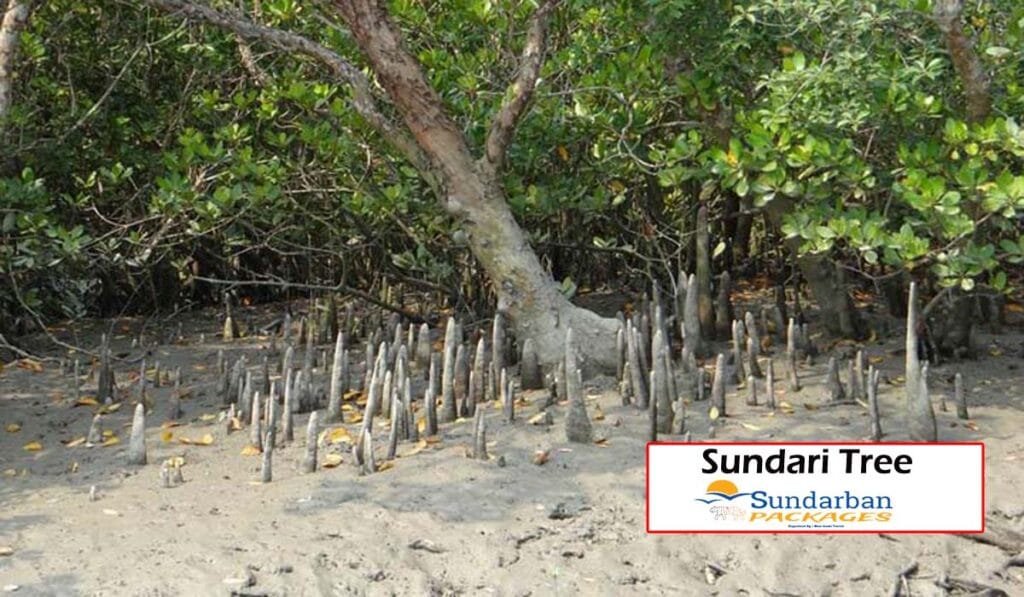
Sundari Trees
The first thing that pops into mind when we think about the world’s largest mangrove forest is a magical forest of green canopy and muddy water. But have you ever thought that where do Sundarbans get their name from? The answer is one magnificent plant – the Sundari tree.
Let’s jump right in to everything you need to know about this ecological wonder, and answer some of the most frequently asked questions people have about it.
Frequently Asked Questions (People Also Ask)
- What is Sundari Tree?
The Sundari tree (scientifically known as Heritiera fomes) is a species of mangrove tree of the family Malvaceae. It is the most dominant and iconic mangrove species in the delta areas of India and Bangladesh and constitutes a major component of the forest flora.
- What kind of tree is a Sundari?
It is a medium to large evergreen mangrove tree in tidal saline water habitats. One of its most unusual features is its pneumatophores (breathing roots) that protrude from the mud to draw oxygen directly from the air, as the soil below is often waterlogged and oxygen-poor.
- What is the English name of Sundari?
The Sundari tree has no separate common English name in widespread use. It is referred to universally by its botanical name (Heritiera fomes) or by its local name in Bengali, Sundari, which means “beautiful.”
- Why are Sundari trees used for making boats?
Sundari tree wood is very strong and tough, fine grained and durable. Traditional boat-builders depend heavily on these Sundari trees to make strong boats that are capable of handling the rough tidal rivers of the region because of its natural resistance to water and decay in humid conditions.
- What is the wood of the Sundari tree used for?
Apart from boat building, Sundari wood has historically been used for heavy construction, making bridges, house posts, and utility poles. It is also utilized locally as high-grade firewood due to its dense nature.
- Which type of river delta is famous for Sundari trees?
Sundarbans, commonly known as Ganges-Brahmaputra delta, is world famous for the highest concentration of Sundari trees in Sundarbans.
The Importance of Sundari Tree to the Ecosystem
The Sundari tree is more than timber, it is the lifeblood of the mangrove ecosystem. Its thick roots hold onto the muddy banks, protecting coastal areas from large tropical cyclones and storm surges. Also the forest’s tree canopy is a natural home to innumerable species, the most famous of them being the magnificent Royal Bengal Tiger.
One Final Idea
So next time you plan an adventure to Sundarban Packages with your family or friends, take a moment to look closely at these remarkable Sundari trees. They rise above the tides, they shield the land, they lend the region its proud identity. Let’s do our bit to keep their environment clean and plastic-free!